
Do you have oily skin but struggle with dry patches? You’re not alone! Many people experience this tricky skin type. It can be confusing to care for oily skin while managing dryness. But don’t worry! A beginner dry skin routine for oily skin can help.
Imagine waking up every day with smooth, soft skin that feels comfortable. Sounds great, right? A simple routine can make that dream come true. It’s all about using the right products that hydrate your skin without adding oil.
Did you know that applying moisturizer helps balance your skin? Many think moisturizers only make oily skin worse. However, using the right one can actually improve your skin. The secret lies in choosing products designed for oily skin that also combat dryness.
Let’s explore how to create an easy and effective routine together. Get ready to learn tips that will transform your skin care, helping you achieve that flawless look!
A Beginner Dry Skin Routine For Oily Skin: Tips & Tricks
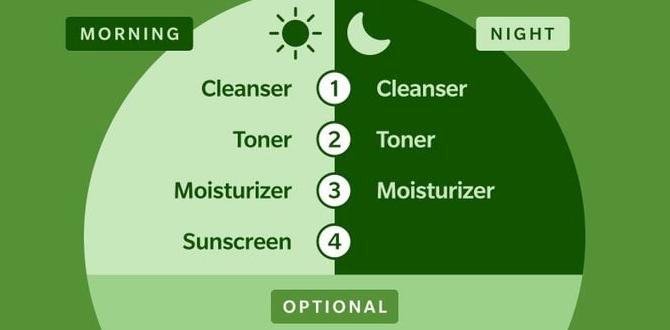
Beginner Dry Skin Routine for Oily Skin
Tired of battling dry skin while managing oiliness? A beginner’s routine can help! Start with a gentle cleanser to avoid stripping natural oils. Follow with a light, hydrating moisturizer to keep skin soft. Consider using natural oils like jojoba for extra hydration without clogging pores. Did you know that oily skin can still require moisture? Embracing this routine can leave your skin feeling balanced and fresh. Let’s explore this effective path to healthier skin!Understanding the Skin Types
Definition and characteristics of oily skin. Differences between oily and dry skin.Oily skin has a lot of sebum, or oil. This makes it look shiny. You might notice bigger pores and acne more often. Oily skin feels greasy, especially during hot weather. In contrast, dry skin feels tight and may peel. Let’s look at some important differences between the two skin types:
- Oil Production: Oily skin produces extra oil, while dry skin lacks it.
- Texture: Oily skin feels smooth and slick. Dry skin can feel rough and flaky.
- Pores: Oily skin has larger pores; dry skin has smaller or less noticeable pores.
What causes oily skin?
Oily skin can be caused by genes, changes in hormones, or even certain foods. Stress can also make it worse.
Understanding these skin types helps in choosing the right routine. With the right care, oily skin can be healthy and clear.
Common Issues with Dry Skin in Oily Skin Types
Causes of dry skin despite oily skin type. Myths about oily and dry skin coexistence.Many people are surprised to find that their oily skin can still be dry. This happens for several reasons. Sometimes, over-cleansing can strip the skin of its natural oils, making it feel parched. Other times, weather changes or using harsh products can contribute to dryness. It’s a bit like having a pet dinosaur—looks tough, but still needs love! Myths also play a part. Just because your skin is oily doesn’t mean it can’t be dry too. It’s the ultimate double act!
| Issue | Cause |
|---|---|
| Over-cleansing | Strips natural oils |
| Harsh products | Irritate skin |
| Weather changes | Dries out skin |
Essential Step-by-Step Routine for Oily Skin with Dry Patches
Morning routine essentials. Evening routine essentials. “`htmlStart your day with a gentle cleanser to remove sleep grime. Follow up with a lightweight moisturizer. This keeps your skin happy without making it oily. Remember, your skin needs hydration, even if it gets shiny! A sunscreen is a must; nobody wants to look like a lobster at the beach!
In the evening, use a gentle exfoliating product. This helps get rid of dead skin. Next, apply a thicker moisturizer, especially on dry patches. Your skin will thank you in the morning!
| Morning Routine | Evening Routine |
|---|---|
| Gentle Cleanser | Gentle Exfoliator |
| Lightweight Moisturizer | Thicker Moisturizer |
| Sunscreen |
Choosing the Right Cleansers
Recommended ingredients for cleansers. Products to avoid to prevent stripping moisture.Finding the right cleansers can be tricky. You want something that cleanses your skin without making it feel like the Sahara Desert. Look for gentle ingredients like glycerin or aloe vera. They are like a drink of water for your face! Avoid cleansers with alcohol or sulfates; they can strip away moisture and leave your skin cranky. A good rule? If your skin feels tight after washing, it’s a big red flag! Want a list? Check the table below:
| Recommended Ingredients | Ingredients to Avoid |
|---|---|
| Glycerin | Alcohol |
| Aloe Vera | Sulfates |
| Honey | Fragrance |
Moisturizing for Oily Skin
Lightweight moisturizers vs. heavy creams. Importance of noncomedogenic products.Choosing a moisturizer can be tricky, especially for oily skin. Lightweight moisturizers are usually your best friend. They hydrate without adding extra oil. Heavy creams? They are perfect for dry skin but might turn your face into an oil slick. Also, look for noncomedogenic products. These won’t clog your pores and lead to breakouts. So, make sure to check the labels. Remember, a happy face is a hydrated face, not a greasy one!
| Moisturizer Type | Best For |
|---|---|
| Lightweight Moisturizers | Oily Skin |
| Heavy Creams | Dry Skin |
| Noncomedogenic Products | All Skin Types |
Exfoliation Techniques
Types of exfoliants suitable for oily skin. Frequency and timing of exfoliation.Keeping oily skin happy can be tricky, especially when you face dry patches. Exfoliating helps! There are two main types of exfoliants. First, we have physical exfoliants, like scrubs, which you can feel working. Then, there are chemical exfoliants, like acids, that dissolve dead skin. Aim to exfoliate 2-3 times a week, but not daily—your skin needs breaks too! Remember, overdoing it can lead to a dry desert on your face. Talk about a skin drama, right?
| Type of Exfoliant | Examples |
|---|---|
| Physical | Scrubs, sponges |
| Chemical | AHAs, BHAs |
Incorporating Serums and Treatments
Recommended serums for hydration and oil control. Role of hydrating treatments in the routine.Choosing the right serums can make a big difference for oily skin. Look for these helpful serums:
- Hyaluronic Acid: Great for adding moisture.
- Salicylic Acid: Helps control oil and prevents breakouts.
- Niacinamide: Reduces oiliness and soothes the skin.
Hydrating treatments play an important role too. They help balance moisture and oil levels. This keeps your skin fresh and healthy. Use them regularly to see the best results.
What serums are best for oily skin?
The best serums for oily skin include Hyaluronic Acid, Salicylic Acid, and Niacinamide. These ingredients support hydration and can help control excess oil.
Sun Protection Strategies
Importance of sunscreen even for oily skin. Choosing the right sunscreen.Even oily skin needs sun protection! Sunscreen helps prevent skin damage and keeps your face looking fresh. Pick a sunscreen that is oil-free and lightweight. Your skin will thank you for it! Look for “non-comedogenic” on the label. It sounds fancy, but it means it won’t clog your pores. Don’t forget to reapply every two hours. Think of sunscreen like your invisible superhero cape. It’s there to save the day!
| Sunscreen Type | Why It’s Good |
|---|---|
| Gel-based | Lightweight and non-greasy |
| Spray | Quick and easy application |
| Mineral | Great for sensitive skin |
Concluding Tips for Maintenance
Lifestyle factors affecting skin condition. When to consult a dermatologist.Keeping your skin happy involves more than just slapping on lotion! Lifestyle choices like diet, sleep, and stress can mess with your skin. Drink water and get enough zzz’s—your skin will thank you! If you notice pesky problems like acne or rashes, it’s time to call an expert. A dermatologist can help you understand your skin better. Remember, healthy skin is happy skin. Don’t forget, even the most oily skin can be a bit thirsty!
| Lifestyle Factors | Effects on Skin |
|---|---|
| Poor diet | Can cause breakouts |
| Lack of sleep | Leads to dull skin |
| High stress | May worsen conditions |
Conclusion
In conclusion, a beginner dry skin routine for oily skin is simple. Start with a gentle cleanser, use a lightweight moisturizer, and always apply sunscreen. Avoid heavy creams that can clog pores. Remember, hydration is key! As you learn more, explore new products that suit your skin. Keep experimenting until you find what works best for you. Happy skincare!FAQs
What Are The Best Moisturizing Products For Oily Skin That Can Also Address Dry Patches?For oily skin with dry patches, you can use a lightweight gel moisturizer. Look for products with hyaluronic acid and glycerin. These help keep your skin hydrated without making it oily. Brands like Neutrogena Hydro Boost and Clinique Dramatically Different Gel are great choices. Always remember to test a small amount first to see how your skin feels!
How Can I Effectively Balance Moisture Without Adding Excess Oil To My Oily Skin?To balance moisture on oily skin, you can use a lightweight moisturizer. Look for one that says “oil-free” on the label. You can also try a gel-based moisturizer, as it feels light and helps keep your skin hydrated. Always remember to drink plenty of water to keep your skin healthy from the inside!
Are There Specific Ingredients I Should Look For In Skincare Products To Help With Both Dry And Oily Areas?Yes, there are some good ingredients to look for! You can use products with hyaluronic acid. It helps keep your skin hydrated without being too greasy. Look for glycerin too; it helps your skin hold water. Finally, choose products that have ceramides, which help protect your skin’s barrier. These ingredients can help both dry and oily skin feel better!
How Often Should I Exfoliate Oily Skin That Also Experiences Dryness?You should exfoliate oily skin that feels dry about once or twice a week. This helps remove dead skin without making it too dry. If your skin feels sensitive, try it less often. Always listen to how your skin feels!
Can Lifestyle Factors, Such As Diet And Hydration, Affect The Effectiveness Of A Dry Skin Routine For Oily Skin?Yes, what we eat and drink can change how our skin feels. If you eat healthy foods and drink enough water, your skin can look better. Bad foods and not drinking enough water can make your skincare routine not work as well. So, what you choose to eat and drink really matters!