
Do you ever feel confused about your skin? Sometimes, it can feel like a puzzle. You might have dry patches on your cheeks, but your forehead is oily. This is what we call combination skin. It can be tricky to care for, but don’t worry! You can create a customized combination skin routine.
Many people face the same challenge. They want to look their best but don’t know how. The good news is that with the right tips, your skin can glow and shine. Imagine waking up to fresh, radiant skin every day. Sounds great, right?
Here are some helpful tips for a balanced routine. With these, you can enjoy the best of both worlds: hydration and oil control. Let’s dive into the fun world of skincare together!
Customized Combination Skin Routine Tips For Healthy Skin
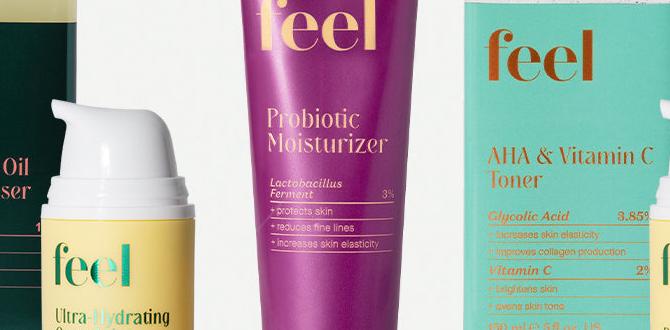
Customized Combination Skin Routine Tips
Creating a routine for combination skin can feel tricky, but it doesn’t have to be! Start by knowing your skin’s unique needs. Cleanse gently to avoid irritation. Next, hydrate with lightweight moisturizers that won’t clog pores. Don’t forget sunscreen; your skin deserves protection every day. Think about adding a face mask for extra care. Did you know that adjusting your routine with the seasons can make a big difference? Tailoring products to your skin helps achieve that healthy glow!Understanding Combination Skin
Definition and characteristics of combination skin. Common challenges faced by individuals with combination skin.Combination skin is a mix of two types: oily and dry. You might feel oily around your nose and chin but dry on your cheeks. This means you need special care to balance both areas. Common challenges include dealing with shiny spots and dry patches. Sometimes, choosing the right products can be tricky. You don’t want to worsen the dryness or increase the oiliness. Understanding your skin helps you care for it better.
What makes combination skin special?
Combination skin combines both oily and dry skin features. This skin type can make finding the right skincare routine challenging.
Challenges include:
- Shiny areas on the T-zone
- Dry patches on cheeks
- Difficulty choosing products
Identifying Your Skin Type
How to determine if you have combination skin. Importance of skin type assessment for personalized routines.To find out if you have combination skin, check your face’s different areas. Touch your forehead, nose, and chin. If these spots feel oily while your cheeks are dry, you likely have combination skin. Understanding your skin type is important. It helps you create a personalized routine that works best for you.
How can you tell if you have combination skin?
Look for oily spots on the T-zone, which includes your forehead, nose, and chin. If your cheeks feel dry or tight, this is a sign of combination skin.
Key points to remember:
- Oily in the T-zone
- Dryer on the cheeks
- Unique care needed
Essential Features of a Customized Routine
The role of tailored products in combination skin care. Balancing products for oily and dry areas.Using special products for combination skin helps keep it happy and healthy. It’s important to balance out the dry and oily areas of your face. Here are some tips:
- Choose lightweight moisturizers for oily spots.
- Use creamier formulas for dry patches.
- Look for gentle cleansers to avoid irritation.
- Target treatment products to specific areas.
With the right routine, your skin can look and feel its best!
What products should I use for combination skin?
For combination skin, use lightweight moisturizers and gentle cleansers. Tailor products to meet the needs of both dry and oily areas on your skin.
Key Ingredients to Look For
Beneficial ingredients for oily areas. Beneficial ingredients for dry areas.Finding the right ingredients for your skin can feel like searching for a unicorn! For oily areas, look for salicylic acid. It helps keep that shine in check. For dry spots, grab some hyaluronic acid. It’s like giving your skin a big drink of water! Here’s a quick table to help you remember:
| Skin Type | Beneficial Ingredient |
|---|---|
| Oily | Salicylic Acid |
| Dry | Hyaluronic Acid |
Mix these into your routine, and your skin will be like, “Thanks for the pampering!” Balance is key, and your face will surely smile back at you!
Step-by-Step Customized Skincare Routine
Morning routine essentials. Night routine essentials.Starting your day with the right products can make your skin feel fresh and bright! Use a gentle cleanser to wash away sleep. Next, apply a moisturizer that keeps your skin happy without making it oily. Don’t forget sunscreen; it’s like a superhero cape for your face! At night, give your skin some love with a richer moisturizer. A soothing eye cream can help chase away the bags from your day. Sleep tight—your skin will thank you!
| Morning Routine | Night Routine |
|---|---|
| Gentle Cleanser | Richer Moisturizer |
| Light Moisturizer | Soothing Eye Cream |
| Sunscreen |
Adjusting Your Routine with Seasons
How seasonal changes affect combination skin. Tips for modifying your routine throughout the year.Changing seasons can really impact your skin. In winter, cold air may dry it, making it tight. Summer’s heat can make it oily. Listen to your skin’s needs throughout the year. Here are some tips:
- In winter, use thicker creams to lock in moisture.
- In summer, try lighter gels or lotions to control oil.
- Change your cleanser with the seasons for better results.
By adjusting your skincare routine, you can keep your skin feeling fresh and balanced, no matter the weather.
How does seasonal change affect combination skin?
Seasonal changes can cause your skin to become drier in winter and oilier in summer. Adjusting your skincare helps to maintain balance and comfort.
Tips for adjusting your routine:
- Use richer moisturizers during cold months.
- Switch to lightweight products in warm weather.
Makeup Tips for Combination Skin
Best makeup products for combination skin. Techniques for application and removal.Choosing the right makeup is key for combination skin. Look for products that balance your skin’s needs. Consider these:
- Lightweight Foundations: Choose a water-based foundation.
- Oil-Free Powder: Helps keep shine away.
- Hydrating Primers: Smooths your skin without being greasy.
- Cream Blush: Adds moisture to dry areas.
When applying, use gentle strokes. Start at the center of your face and move outwards. For removal, use a gentle cleanser to avoid stripping your skin.
What makeup products are best for combination skin?
The best products include lightweight foundations and hydrating primers. Hydrating products are important for dry areas, while oil-free options control shine.
Common Mistakes to Avoid
Mistakes that can worsen combination skin. How to avoid overloading products.Many people make mistakes that can hurt combination skin. Using too many products can overload your skin. This can lead to breakouts or dryness. Stick to a simple routine with few products. Choose items that match your skin type.
- Avoid heavy creams on oily areas.
- Don’t use too many treatments at once.
- Be careful with exfoliating too often.
Understanding your skin’s needs will help you avoid these common mistakes.
What should I avoid for combination skin?
Stay away from heavy oils and thick creams. Focus on lightweight products to keep your skin balanced.
When to Seek Professional Help
Signs that indicate it’s time to consult a dermatologist. Types of treatments that may be recommended. “`htmlSometimes, our skin throws tantrums that can confuse us. If you notice stubborn acne, rashes that won’t budge, or dry patches that resemble deserts, it might be time to call in the pros. A dermatologist can help with more than just a friendly chat about your skin’s behavior.
| Signs to See a Dermatologist | Potential Treatments |
|---|---|
| Severe Acne | Prescription medications |
| Rashes that itch | Creams and ointments |
| Persistent redness | Light therapy |
| Skin changes | Biopsies or tests |
Seeing a dermatologist isn’t just for show; they can work magic! They often recommend specialty treatments to get your skin back on track. Think of them as your skin’s superhero. Don’t hesitate to reach out—your skin will thank you!
“`Conclusion
In summary, creating a customized routine for combination skin is essential. Start with gentle cleansers, balance hydration, and select lightweight moisturizers. Don’t forget to wear sunscreen daily. By following these tips, you can keep your skin healthy and radiant. For more insights, explore specific products or talk to a skincare expert. Let’s take care of our skin together!FAQs
Sure! Here Are Five Related Questions About Customized Skincare Routines For Combination Skin:Sure! For combination skin, you should use a gentle cleanser. This helps clean your face without drying it out. After washing, use a light moisturizer. It will keep your skin soft in both dry and oily areas. Finally, always wear sunscreen to protect your skin from the sun.
Sure! Please provide the question you’d like me to answer.
What Are The Key Ingredients To Look For In Products Specifically Tailored For Combination Skin?For combination skin, look for products with gentle ingredients. You should check for water, which keeps your skin hydrated. Lightweight oils, like jojoba oil, help balance dry areas. Also, find items with aloe vera; it cools and soothes. Lastly, consider products with antioxidants to protect your skin.
How Can I Determine Which Areas Of My Face Are Oily Or Dry, And How Should This Affect My Skincare Routine?To find out which areas of your face are oily or dry, wash your face and wait a bit. After 30 minutes, look closely. If your skin feels shiny, it’s probably oily. If it feels tight or rough, it’s likely dry. This can change how you care for your skin. Use a gentle wash for oily parts and a moisturizer for dry parts. This way, you keep your skin healthy everywhere!
What Are Some Effective Layering Techniques For Applying Serums, Moisturizers, And Other Products On Combination Skin?To take care of combination skin, you can use a smart way to add products. First, wash your face with a gentle cleanser. Then, use a serum, which is a special liquid that helps your skin. Apply it on your face while it’s still a bit damp. After that, put on moisturizer to keep your skin soft. You should use a light one for oily areas and a richer one for dry spots. Always wait a minute between each layer so they soak in well!
How Often Should I Exfoliate If I Have Combination Skin, And What Type Of Exfoliant Is Best For Balancing Different Areas?If you have combination skin, you should exfoliate about once or twice a week. This helps keep your skin healthy. Use a gentle exfoliant like a mild scrub or a chemical exfoliant. These can balance the oily and dry areas on your face. Remember to listen to your skin. If it feels irritated, take a break.
Are There Specific Seasonal Adjustments I Should Make To My Skincare Routine For Combination Skin Throughout The Year?Yes, you should change your skincare routine with the seasons. In winter, use a thicker moisturizer to keep your skin from drying out. In summer, use a lighter lotion and sunscreen to protect your skin from the sun. In spring and fall, you can use a good balance of both. Always listen to what your skin needs and adjust as you go!