
Do you struggle with oily skin that is sensitive too? Finding the right routine can be tricky. Many people feel overwhelmed when it comes to caring for their skin. It’s not just about using any product. You need an expert oily skin routine for sensitive skin.
Imagine waking up with a fresh face, free of shine and irritation. Sounds great, right? The right routine can help you achieve that. A proper skincare routine can make a difference. It can keep your skin feeling happy and healthy, not just for today, but for tomorrow too.
Here is a fun fact: did you know that your skin can react to certain ingredients? That’s why some products may cause breakouts. This is especially common for those with oily and sensitive skin. The challenge is to find gentle products that work well together.
In this article, we’ll explore how to create an expert oily skin routine for sensitive skin. Get ready to learn tips that will change your daily skincare game!
Expert Oily Skin Routine For Sensitive Skin Revealed
Expert Oily Skin Routine for Sensitive Skin
If you have oily and sensitive skin, finding the right routine is tricky. You learn to use gentle cleansers that don’t strip the skin. Moisturizing with light, non-comedogenic products helps keep oil at bay. Exfoliation is crucial, too, but it should be mild. Did you know certain natural oils can actually soothe sensitive skin while controlling oil? Discover how to keep your skin fresh and balanced without irritation. You deserve a routine that works for you!Understanding Oily and Sensitive Skin
Definition and characteristics of oily skin. Common issues faced by those with sensitive skin.Oily skin is like a teenager—always producing more oil when you least want it! It means your skin creates excess sebum, making it shiny and sometimes prone to acne. Sensitive skin, on the other hand, is like a drama queen; it reacts easily to products and environmental changes. Common problems include redness, stinging, and dryness. So, if you have both oily and sensitive skin, it’s like being on a roller coaster ride while trying to balance a pizza in your lap—challenging but not impossible!
| Skin Type | Characteristics |
|---|---|
| Oily Skin | Shiny appearance, large pores, prone to acne |
| Sensitive Skin | Redness, stinging, irritation with certain products |
Importance of a Tailored Skincare Routine
Why standard routines can be harmful. Benefits of a specialized oily skin routine for sensitive skin.Using a one-size-fits-all skincare routine can lead to more problems, especially for sensitive skin. It may irritate or worsen oily areas. A specialized oily skin routine can help nourish your skin without causing extra breakouts. Benefits include:
- Less irritation
- Balanced oil production
- Soft, healthy skin
When you tailor your routine, you focus on what your skin needs. This helps keep it happy and looking good.
Why is a specialized routine necessary?
Many products may harm sensitive skin. Choosing the right ingredients can boost moisture and reduce irritation. A unique routine offers safety and support for the skin.
Key Ingredients to Look for
Best ingredients that soothe sensitive skin. Ingredients to avoid in oily skin products.For sensitive, oily skin, choosing the right ingredients is key. Look for products with the following soothing ingredients:
- Aloe Vera – Calms and hydrates skin.
- Chamomile – Reduces redness and irritation.
- Green Tea – Fights inflammation and protects skin.
- Niacinamide – Helps balance oil and strengthens skin barrier.
Avoid these harsh ingredients:
- Alcohol
- Sulfates
- Fragrances
- Excessive Salicylic Acid
These can irritate sensitive skin and worsen oiliness.
What ingredients soothe sensitive skin?
Look for aloe vera and chamomile in your oily skin products. They calm irritation and hydrate without adding excess oil.
Step-by-Step Oily Skin Routine
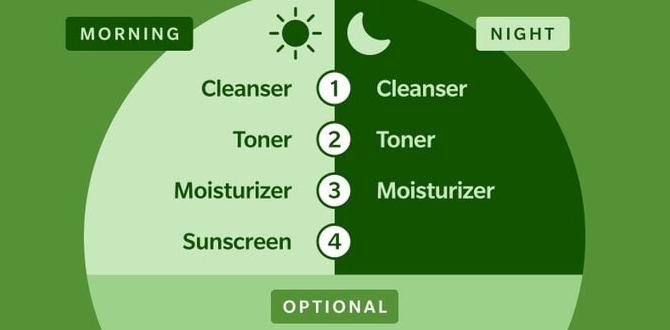
Cleansing: Selecting the right cleanser. Exfoliating: Frequency and product recommendations. Toning: Importance and best toners for sensitive skin. Moisturizing: Lightweight options that maintain hydration.A great routine starts with cleansing. Choose a gentle cleanser that won’t irritate your skin. Next up is exfoliating! Aim to exfoliate 1-2 times a week with a mild product. This helps remove dead skin cells without causing a ruckus. Toning is key too. It balances your skin and preps it for moisturizer. Opt for a soothing toner. Finally, always moisturize! Look for lightweight options that hydrate without turning your face into an oil slick. Your skin will thank you!
| Step | Recommendations |
|---|---|
| Cleansing | Gentle cleansers |
| Exfoliating | 1-2 times a week |
| Toning | Soothing toners |
| Moisturizing | Lightweight hydrators |
Spot Treatments for Breakouts
Effective spot treatment options. Natural remedies vs. chemical treatments.Breakouts can be pesky little troublemakers. Thankfully, there are many ways to tackle them. You can choose natural remedies, like tea tree oil or honey. These are gentle and help calm sensitive skin. On the flip side, there are chemical treatments like salicylic acid, which can work wonders but might sting a bit. Remember, every skin type is different, so it’s wise to find what suits you best.
| Spot Treatment | Type | Notes |
|---|---|---|
| Tea Tree Oil | Natural | Great for calming skin. |
| Salicylic Acid | Chemical | Effective but can be harsh. |
| Honey | Natural | Soothes and hydrates. |
| Benzoyl Peroxide | Chemical | Kills bacteria but may dry skin. |
Finding your perfect match can be like dating. You try a few, and soon enough you’ll know which ones you love! So, give it a shot and laugh at those breakouts until they’re gone!
Sun Protection for Oily and Sensitive Skin
Importance of sunscreen. Recommended sunscreen types for oily, sensitive skin.Wearing sunscreen is very important, especially for oily and sensitive skin. Sunscreen helps protect your skin from harmful sun rays. Without it, skin can burn and age fast. Choose products made for oily and sensitive skin to avoid breakouts.
- Look for oil-free sunscreen.
- Use non-comedogenic types. These won’t clog pores.
- Select sunscreens with matte finishes to reduce shine.
- Choose physical or mineral sunscreens with zinc oxide or titanium dioxide.
What type of sunscreen is best for oily and sensitive skin?
The best sunscreen types are oil-free and non-comedogenic. They protect without causing breakouts. Look for physical sunscreens with zinc oxide or titanium dioxide for extra safety.
Diet and Lifestyle Tips for Healthy Skin
Foods that benefit oily, sensitive skin. Lifestyle habits to adopt for better skin health.Eating the right foods can help oily, sensitive skin become healthier. Include these foods:
- Fruits: Berries are great for skin health.
- Vegetables: Spinach and carrots provide vitamins.
- Healthy Fats: Avocados and fish help keep skin moist.
- Water: Drinking enough water keeps skin hydrated.
Good lifestyle habits can also improve skin. Here are some tips:
- Wash your face twice daily.
- Get enough sleep to relax your skin.
- Stay active with exercise to boost circulation.
- Limit stress to help your skin glow.
What foods should I avoid for oily skin?
Avoid sugary snacks and fried foods. These can make your skin more oily and cause breakouts.
Common Mistakes to Avoid
Overexfoliating and stripping skin. Using harsh ingredients or products.Many people make mistakes while caring for oily and sensitive skin. One common error is overexfoliating. This means scrubbing too hard or too often. It can strip your skin of its natural oils. Another mistake is using harsh products. These can irritate your skin and make it worse. Choose gentle cleansers and moisturizers. Avoid anything with strong chemicals. Your skin deserves to feel healthy and happy!
What should I avoid for oily sensitive skin?
It’s best to stay away from products that are:
- Harsh and strong; they can irritate your skin.
- Too many scrubs; they can harm your skin barrier.
- Cleansers with alcohol; they dry out your skin.
- Heavy creams; they can clog your pores.
When to Consult a Dermatologist
Signs that indicate a need for professional help. What to expect during a dermatological consultation.Some signs mean it’s time to see a dermatologist. If your skin feels extra oily and is breaking out more than usual, don’t ignore it! Redness or itching that won’t go away is also a signal to get help. Expect your visit to include a friendly chat about your skin and possible treatments. They may check your skin closely, like detectives on a mission! So, pack your best skin care questions!
| Signs to Consult | What to Expect |
|---|---|
| Persistent acne | Skin review |
| Severe redness | Discussion of treatments |
| Itching rashes | Personal care tips |
Conclusion
In conclusion, an expert oily skin routine for sensitive skin is essential for healthy skin. Start with a gentle cleanser, then use light moisturizers and sunscreen. Always patch test new products to avoid irritation. Remember to keep your routine simple and effective. Explore more resources to find products that work best for you and your unique skin needs!FAQs
Sure! Here Are Five Related Questions On The Topic Of An Expert Oily Skin Routine For Sensitive Skin:Sure! You can start your oily skin routine by washing your face with a gentle soap. Then, use a light moisturizer to keep your skin soft. Make sure to pick products that say “oil-free” and “for sensitive skin.” Don’t forget to use sunscreen every day. This will help protect your skin from the sun.
Sure! Please tell me what question you would like me to answer.
What Specific Ingredients Should Individuals With Oily Yet Sensitive Skin Look For In Their Skincare Products?If you have oily but sensitive skin, look for gentle ingredients. Use products with water, salicylic acid, or hyaluronic acid. These help clean your skin without making it irritated. Avoid heavy oils and fragrances, as they can make your skin worse. Always choose products labeled “oil-free” or “non-comedogenic” to keep your pores clear.
How Often Should A Skincare Routine For Oily And Sensitive Skin Include Exfoliation, And What Method Is Best?You should exfoliate oily and sensitive skin about once or twice a week. This helps remove dead skin and keeps your skin fresh. A gentle scrub or a chemical exfoliant with ingredients like salicylic acid works best. Always be careful and avoid scrubbing too hard. After exfoliating, remember to moisturize your skin!
What Are Some Recommended Cleansing Products That Are Gentle Enough For Sensitive Skin But Effective For Oily Skin?For sensitive skin that is also oily, you can try a gentle foaming cleanser. Look for products that say “fragrance-free” and “non-comedogenic,” meaning they won’t clog pores. Some good options are Neutrogena Ultra Gentle Cleanser and Cetaphil Daily Cleanser. Both will clean your skin without being too harsh. Always test a little first to see how your skin feels!
How Can One Balance Managing Excess Oil Production While Ensuring The Skin Remains Hydrated For Sensitive Skin Types?To balance oil production and keep your skin hydrated, start with a gentle cleanser that removes extra oil without drying your skin. Use a light moisturizer that helps keep your skin feeling soft. Drink plenty of water too, as staying hydrated from the inside helps your skin. You can also try not touching your face so much, which helps keep oil in check.
Are There Any Particular Skin Types Or Conditions That Oily, Sensitive Skin Should Avoid In Their Daily Skincare Routine?If you have oily and sensitive skin, you should avoid products that are too heavy or greasy. Look out for strong fragrances because they can irritate your skin. Stay away from alcohol-filled products because they can dry you out. Try not to use scrubs that are rough, as they can hurt your skin. It’s best to choose gentle and lightweight products instead.