
Do you struggle with oily skin and acne? You’re not alone. Many people face this challenge. It can be tough to find a good routine that helps. But don’t worry; a monthly oily skin routine for acne could be just what you need.
Imagine waking up each day with clear, fresh skin. Picture how great it would feel to leave home without worrying about breakouts. A simple routine can make this dream a reality. Did you know that oily skin produces more oil than normal skin? This extra oil can lead to acne. Understanding your skin helps you manage it better.
In this article, we will share a monthly routine that’s easy and effective. You will discover tips and tricks to keep your skin clear and healthy. With the right care, you can control oily skin and reduce acne. Ready to transform your skincare game? Let’s dive in!
Monthly Oily Skin Routine For Acne: Tips And Tricks
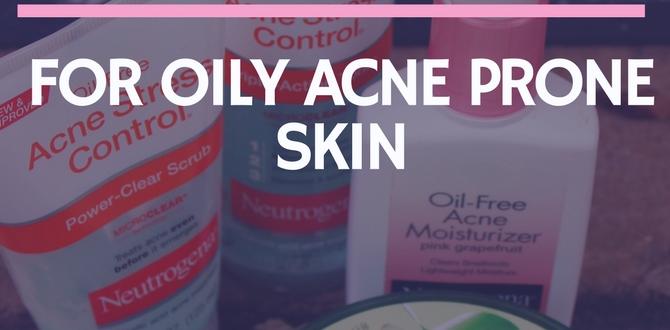
Monthly Oily Skin Routine for Acne
Keeping oily skin clear from acne can be tricky. A simple monthly plan helps manage oil and breakouts. Start with a gentle cleanser; it removes dirt without being harsh. Exfoliating once a week can unclog pores. Use a light moisturizer to maintain hydration. Don’t forget sunscreen, even oily skin needs protection! By sticking to this routine, you can help your skin feel fresh and look its best. Your journey to clearer skin starts today!Understanding Oily Skin and Acne
Defining oily skin and its characteristics. The relationship between oily skin and acne formation.Oily skin is caused by overactive oil glands. These glands produce too much sebum, making the skin shiny and greasy. Some common signs of oily skin include:
- Shiny appearance
- Thick or rough texture
- Visible pores
This extra oil can lead to acne. Acne occurs when oil, dirt, and dead skin clog pores. High oil levels increase the chance of pimples and breakouts. Knowing your skin type helps in choosing the right acne treatment.
What is the connection between oily skin and acne?
Oily skin can cause acne by trapping dirt and bacteria in the pores. This blockage leads to irritation and pimples. Less oil means fewer breakouts!
Daily Skincare Routine for Oily Acne-Prone Skin
Stepbystep guide to cleansing and toning. Importance of moisture and targeted treatments.Cleansing and toning is essential for oily, acne-prone skin. First, wash your face gently with a gel cleanser. It helps remove dirt and excess oil. Then, use a toner; it’s like a superhero for your skin! It tightens pores and balances oil production.
After cleansing, apply a light moisturizer. Yes, oily skin needs moisture too! It can prevent your skin from overproducing oil. For targeted treatments, spot-treat active breakouts with ingredients like salicylic acid or benzoyl peroxide. Remember, a little goes a long way!
| Step | Action |
|---|---|
| 1 | Cleansing with a gel cleanser |
| 2 | Applying a toner |
| 3 | Moisturizing lightly |
| 4 | Spot treatment for acne |
Consistency is key, so stick to this routine daily. Your skin will thank you, and soon you could be holding a “Best Skin Ever” award! Well, in your dreams, but you get the point!
Weekly Treatments and Masks
Recommended exfoliating treatments and their benefits. DIY and storebought masks suitable for oily and acneprone skin.Exfoliating treatments help remove dead skin cells and clear pores. This is important for reducing acne. You can use both DIY masks and store-bought options for oily skin. Try these:
- Salicylic Acid Products: Help unclog pores.
- Rice Flour Scrubs: Gently exfoliate and brighten.
- Honey and Lemon Mask: Reduces oil and adds glow.
Using these treatments can clear up your skin and make it feel fresh! Regular exfoliation makes a big difference in managing oily skin.
What are some effective exfoliating treatments for oily skin?
Exfoliating treatments like salicylic acid and gentle scrubs are great for oily skin. They help remove excess oil and dead skin, preventing acne.Monthly Skin Analysis and Adjustments
Strategies for assessing skin changes and needs. When and why to adjust your skincare routine.Every month, it’s important to check how your skin is doing. Your skin can change due to weather, diet, or other things. Here’s how to see what it needs:
- Look for new pimples or dryness.
- Notice if your skin feels different, like oily or tight.
- Change your routine if something isn’t working.
Adjust your skincare products based on these checks. Update your routine based on what works best for your skin. Small changes can make a big difference!
When should I adjust my skincare routine?
Change your routine when you notice skin problems or seasonal shifts. Regular checks will help keep your skin healthy.
Ingredient Spotlight: What to Look For
Key ingredients that benefit oily and acneprone skin. Ingredients to avoid that may worsen acne.Finding the right ingredients for your skin can feel like a treasure hunt, but it’s worth it! Look for ingredients like salicylic acid, which fights acne by keeping pores clear. Niacinamide is a hero too; it reduces oiliness and soothes skin. Steer clear of heavy oils like coconut oil, which can clog pores and make acne worse. Remember, your skin deserves a superhero team, not a villain squad!
| Good Ingredients | Ingredients to Avoid |
|---|---|
| Salicylic Acid | Coconut Oil |
| Niacinamide | Fragrance |
| Hyaluronic Acid | Sulfates |
Lifestyle Tips to Support Skin Health
Role of diet and hydration in managing oily skin. Importance of sleep, stress management, and skincare habits.Eating the right foods and staying hydrated can work wonders for your skin. Include fruits and veggies in your meals. They help keep your skin happy and less oily. Hydration is key; drink plenty of water like you’re a cactus in the desert. And let’s not forget sleep! Your body loves sleep like a kid loves candy. Aim for about 7-9 hours a night. Plus, managing stress is crucial. Try deep breathing or just laugh a little—it’s hard to be stressed when you’re giggling! Regular skincare habits play a big role too. Use gentle products and wash your face daily to keep your skin in check. Here’s a quick table on how these factors support skin health:
| Tip | Benefit |
|---|---|
| Healthy Diet | Aids in reducing oil production |
| Hydration | Keeps skin moisturized |
| Sleep | Repairs skin and reduces stress |
| Stress Management | Prevents breakouts |
| Skincare Routine | Makes skin glow and healthy |
Consulting a Dermatologist
When to seek professional help for acne. Common treatment options available from dermatologists.Sometimes, acne can be tough. If skin care at home isn’t working, it’s time to see a dermatologist. You should consider professional help if:
- Acne is painful or severe.
- You have scars from acne.
- Home treatments don’t work after a few weeks.
Dermatologists can offer effective treatments, such as:
- Prescription creams and gels
- Oral medications
- Professional skin treatments
Having expert help can make a huge difference!
When should you see a dermatologist for acne?
Visit a dermatologist if your acne worsens, becomes painful, or doesn’t improve with home care.
Common dermatological treatments include:
- Topical medications: Creams and gels that reduce inflammation.
- Oral antibiotics: Help kill bacteria causing acne.
- Hormonal therapy: Balances hormones affecting oily skin.
Maintaining Results and Long-term Skincare Strategy
Tips for maintaining skin improvements over time. Developing a sustainable skincare regimen for oily skin.To keep your skin looking great long after you’ve won the battle with acne, stick to a simple routine. Wash your face daily and use oil-free products. Consistency is key! Switch up your products wisely, like giving your skin a fresh playlist. Consider adding a non-comedogenic moisturizer and a sunscreen that won’t clog pores. Plus, drinking water helps your skin feel fresh, like a morning shower for your insides!
| Tip | Description |
|---|---|
| Daily Cleansing | Use a gentle, oil-free cleanser. |
| Switch Products | Change up your routine every few months. |
| Moisturize | Find a lightweight, non-comedogenic moisturizer. |
| Stay Hydrated | Drink plenty of water for healthy skin. |
Remember, skin care is like a plant; it needs regular care to thrive. Happy skincare!
Conclusion
In conclusion, a monthly oily skin routine for acne keeps your skin clear and healthy. Start by cleansing daily, using lightweight products. Exfoliate weekly to remove dead skin and unclog pores. Incorporate a good moisturizer and sunscreen to protect your skin. You can explore more tips online to personalize your routine for even better results. Take action today for clearer skin!FAQs
What Specific Products Should I Include In My Monthly Skin Care Routine For Oily And Acne-Prone Skin?For oily and acne-prone skin, you should use gentle products. Start with a foaming cleanser to wash your face twice a day. Then, use a lightweight moisturizer to keep your skin hydrated. A spot treatment with ingredients like salicylic acid can help reduce pimples. Finally, don’t forget sunscreen to protect your skin from the sun!
How Often Should I Exfoliate If I Have Oily Skin With Acne?If you have oily skin with acne, you should exfoliate 1 to 2 times a week. This helps remove dead skin and clear out your pores. Make sure to use a gentle scrub or product made for acne. Don’t scrub too hard, or you might irritate your skin. Always follow up with a moisturizer to keep your skin healthy!
What Ingredients Should I Look For In Moisturizers To Balance Oily Skin Without Triggering Breakouts?When choosing a moisturizer for oily skin, look for these ingredients: water-based gels, hyaluronic acid, and salicylic acid. These help keep your skin hydrated without making it greasy. Also, choose products labeled “non-comedogenic.” This means they won’t clog your pores and cause breakouts. Aloe vera can also be great–it soothes and cools your skin!
How Can I Effectively Manage Hormonal Acne Through My Monthly Skin Care Habits?To manage hormonal acne, wash your face twice a day with a gentle cleanser. Use a light, oil-free moisturizer to keep your skin hydrated. You can add a spot treatment for acne when needed. Remember to change your pillowcases often and keep your hands off your face. Eating healthy foods and drinking plenty of water can help too!
What Lifestyle Changes Can Complement My Monthly Skin Care Routine To Better Control Oily Skin And Acne?To help control oily skin and acne, you can make some easy lifestyle changes. First, drink plenty of water every day. This helps keep your skin healthy. Second, eat fruits and vegetables instead of junk food. They give your skin good nutrients. Finally, try to get enough sleep each night, as rest helps your skin heal.