
Are you curious about taking better care of your skin? Many people are turning to organic skin care for a gentle and effective routine. If you have never tried it before, you might not know where to start. That’s why creating an organic skin care routine for beginners can be so exciting.
Imagine using products that come straight from nature. These products are safe and kind to your skin. You might wonder, “How can I start this journey?” This article will give you a simple checklist to guide you.
Here’s a fun fact: Organic skin care is not just a trend. It has been around for centuries! Ancient cultures used natural ingredients for healthy skin. Today, you can learn to make these practices work for you.
With this checklist, you’ll find steps that fit easily into your daily life. Let’s explore how organic skin care can transform your routine and boost your confidence. Are you ready to dive in?
Organic Skin Care For Beginners Routine Checklist: Easy Steps
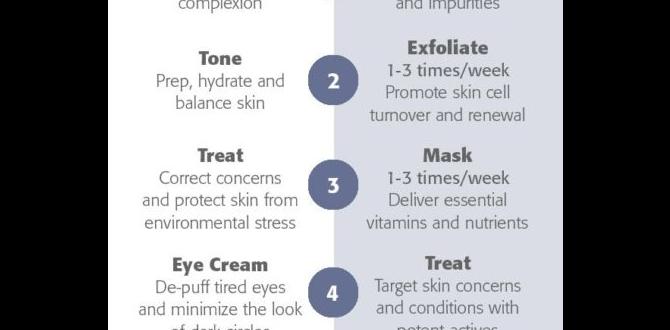
Organic Skin Care for Beginners Routine Checklist
Starting an organic skin care routine can seem tricky. Did you know that simple ingredients can make a big difference? Begin with a gentle cleanser that removes dirt without stripping your skin. Next, consider a nourishing moisturizer made with natural oils. Exfoliating once a week helps remove dead skin cells, giving your face a fresh look. Always remember to apply sunscreen daily for protection. This fun checklist makes getting started easy and effective!Understanding Organic Skin Care
Definition and benefits of organic skin care. Importance of ingredients and ecofriendly practices.Organic skin care means using products made from natural ingredients. These products are kind to our skin and the planet. Benefits include healthier skin and fewer chemicals entering our bodies. Using safe ingredients is vital because they help us look our best without harmful side effects. Plus, organic practices support Mother Earth. Who wouldn’t want to be a superhero for the planet while glowing like a star?
| Benefit | Details |
|---|---|
| Healthier Skin | Natural ingredients nourish and hydrate. |
| Eco-Friendly | Less pollution and waste. |
| No Harmful Chemicals | Safe for you and the environment. |
Step 1: Cleansing
Recommended organic cleansers for various skin types. Tips for proper cleansing techniques.Cleansing is the first step in any organic skin care routine. Different skin types need different cleansers. For oily skin, look for cleansers with tea tree oil. Dry skin benefits from creamy cleansers with coconut oil. If you have sensitive skin, choose gentle, hypoallergenic options. Here are some tips for effective cleansing:
- Use lukewarm water to avoid drying out your skin.
- Apply cleanser with clean hands, using gentle circular motions.
- Rinse well to remove all product.
- Pat your face dry with a soft towel—don’t rub!
Remember, clean skin helps your other products work better!
What should I look for in an organic cleanser?
Focus on natural ingredients. Avoid harsh chemicals. Check labels for plant-based solutions that suit your skin.
Step 2: Toning
Benefits of using organic toners. Key ingredients to look for in organic toners.Toners are important in organic skin care. They help your skin stay fresh and balanced. Using organic toners can make your skin feel soft and clean. Here are some benefits:
- Hydration: Toners add moisture to your skin.
- Balance: They help to control oil and keep your skin in check.
- Prep: They prepare your skin for other products.
When choosing a toner, look for these key ingredients:
- Aloe Vera: Soothes and hydrates.
- Rose Water: Refreshes and calms the skin.
- Witch Hazel: Tightens pores and reduces irritation.
What are the benefits of using organic toners?
Using organic toners can help your skin feel clean and fresh. They maintain moisture and help balance oil too. Organic toners can be gentle and free from harsh chemicals.
Step 3: Moisturizing
Importance of hydration in skin care. Best organic moisturizers for different skin concerns.Hydration is key for healthy skin. It keeps skin soft and stops dryness. Happy skin looks fresh and glowy. Good moisturizers help with different skin issues. Here are some great organic options:
- For Dry Skin: Look for almond oil or shea butter.
- For Oily Skin: Choose a lightweight gel with aloe vera.
- For Sensitive Skin: Use a cream with chamomile and calendula.
Try moisturizing every day! It will help your skin shine and feel good.
Why is hydration important for skin care?
Hydration makes skin healthy and helps it recover from damage. Moisturized skin can even reduce acne and other problems.
Sun Protection in Organic Skin Care
Importance of SPF in skin health. Recommended organic sunscreens.Using sunscreen is key for healthy skin. It guards against sun damage. Did you know that UV rays can cause skin aging and cancer? That’s why wearing SPF is essential. Choose organic sunscreens that are gentle on the skin. They provide protection without harsh chemicals. Here are some recommended options:
- Badger Balm Sport Sunscreen – Great for outdoor fun.
- Raw Elements Eco Formula – Safe for you and the planet.
- Thinksport Sunscreen – Effective for active lifestyles.
Remember, adding sunscreen to your daily routine helps keep your skin healthy and glowing!
Why is SPF important for skin health?
SPF helps protect your skin from harmful sun rays. Without it, your skin can burn and age faster.
What should you look for in organic sunscreen?
- Broad-spectrum protection – Guards against both UVA and UVB rays.
- Natural ingredients – Less chance of skin irritation.
- Water-resistant – Helps during swimming or sweating.
Choosing the Right Organic Products
How to read labels and identify quality products. Tips for patch testing new products.Finding the right organic products is like picking the best apple at the farm. Start by reading labels! Look for words like “organic” and “natural.” If it sounds too fancy, it might just be trying to impress you. Think of ingredients you can actually pronounce as your friends. Also, patch test new goodies on a small skin area, like your arm. If it turns red, it’s likely not meant to be best buddies. If all goes well, your skin might just do a happy dance!
| Label Clue | What It Means |
|---|---|
| Organic | Made from natural ingredients without chemical pesticides. |
| Sulfate-Free | No harsh cleansers that dry out your skin. |
| Paraben-Free | Less chance of irritation or allergic reactions. |
Common Mistakes to Avoid in Organic Skin Care
Misconceptions about organic ingredients. Overcomplicating the routine with too many products.Many people think that all organic ingredients are automatically safe and effective. That’s not always true! Some plants might cause skin reactions. It’s important to research what you’re using. Also, don’t turn your routine into a science experiment with too many products. Simplicity is key! A good rule is to start with three essentials: a cleanser, moisturizer, and sunscreen. Your skin will thank you for less fuss!
| Common Mistakes | How to Avoid |
|---|---|
| Believing all organic is better | Research ingredients! |
| Using too many products | Stick to the basics! |
Additional Tips for Beginners
Building a personalized skin care routine. Importance of consistency and patience in seeing results.Creating a skin care routine can feel like learning a new dance. First, start with the basic steps: grab a gentle cleanser, a moisturizer, and sunscreen. Remember, it’s key to stay consistent. Skin doesn’t change overnight, so be patient. Treat your skin like a pet; it needs love and time! And if things don’t change right away, don’t panic! Your skin might just be playing hard to get.
| Tip | Description |
|---|---|
| Personal Touch | Choose products that suit your skin’s needs. |
| Routine Rescue | Stick to your routine daily. |
| Patience Pro | Results take time, so hang tight. |
Conclusion
In conclusion, starting an organic skin care routine is simple. Focus on cleansing, moisturizing, and protecting your skin. Always choose natural ingredients. Remember to patch-test new products. You can follow a checklist to keep track of your routine. For more tips and product suggestions, check out guides tailored for beginners. Your skin will thank you for it!FAQs
What Are The Essential Products For A Beginner’S Organic Skincare Routine?For a beginner’s organic skincare routine, you need a few key products. First, use a gentle cleanser to wash your face. Next, apply a moisturizer to keep your skin soft and smooth. Sunscreen is very important to protect your skin from the sun. Lastly, you can try a face mask once in a while for extra care!
How Do I Determine My Skin Type To Choose The Right Organic Skincare Products?To find out your skin type, you can start by washing your face and waiting for an hour. After that, feel your skin. If it feels tight or dry, you have dry skin. If it shines a lot, you have oily skin. If it feels nice, not too dry or oily, you have normal skin. You can also ask a grown-up for help if you’re unsure!
What Are The Benefits Of Using Organic Ingredients In Skincare Compared To Conventional Products?Using organic ingredients in skincare means using plants and natural things. These ingredients are usually better for your skin. They help keep your skin healthy without adding harsh chemicals. Organic products can also be gentler, so they might not cause irritation. Plus, they are often better for the environment, helping our planet stay clean!
How Can I Create A Simple Daily Skincare Routine Using Organic Products?To create a simple daily skincare routine with organic products, start with a gentle cleanser. You can wash your face with warm water and a natural soap. Next, use a moisturizer made from ingredients like coconut oil or shea butter. Don’t forget to apply sunscreen if you go outside. Finally, drink plenty of water to keep your skin healthy!
Are There Any Common Allergens Or Ingredients To Avoid In Organic Skincare For Sensitive Skin?Yes, there are some things you should avoid in organic skincare if you have sensitive skin. Common allergens include fragrances and essential oils, which can irritate your skin. You should also skip ingredients like alcohol and gluten. It’s best to read labels carefully and choose products marked for sensitive skin. Always test a small amount on your skin first!