
Have you ever woken up with a breakout? It’s frustrating, right? Many people struggle with acne, especially in the morning. What if I told you that a simple morning skin care routine could help?
In just a few minutes, you can start your day with clean and healthy skin. Imagine stepping out of your house, feeling confident and fresh. A good morning regimen doesn’t have to be complicated. In fact, it can be really simple!
Did you know that washing your face right after waking can make a big difference? It helps remove dirt and oil. This simple step prepares your skin for the rest of your day.
Let’s explore how you can build a simple morning skin care routine for acne. You’ll learn easy tips that fit right into your busy schedule. With a little care each morning, you can see real changes in your skin. Are you ready to discover the secret to clearer skin?
Simple Morning Skin Care For Acne: Tips And Routine Guide
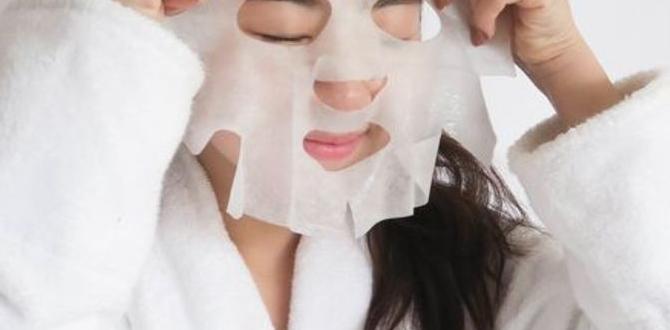
Simple Morning Skin Care for Acne
Do you dream of clearer skin? A simple morning skin care routine can help fight acne. Start with a gentle cleanser to wash away overnight oils. Next, use a light moisturizer that won’t clog pores. Consider using a product with salicylic acid to keep breakouts at bay. Lastly, remember sunscreen! Protecting your skin from the sun can prevent scars. With these easy steps, you can enjoy smoother, healthier-looking skin every day.Understanding Acne and Its Causes
Definition and types of acne. Common triggers of acne.Acne shows up as small bumps on the skin. There are different types, like whiteheads, blackheads, and pimples. Understanding what causes acne can help you prevent it. Here are some common triggers:
- Hormonal changes
- Diet like junk food or dairy
- Stress and lack of sleep
- Poor skin care habits
- Using oily makeup
Knowing these causes can help you take better care of your skin.
What Are the Types of Acne?
There are several types of acne. These include whiteheads, blackheads, papules, and cysts. Each type has a different look and treatment. Understanding these types helps in choosing the right care for your skin.
The Importance of a Consistent Skin Care Routine
Benefits of regular skin care for acneprone skin. How consistency affects skin health.Keeping up with a daily skin care routine is like giving your skin a morning pep talk! Regular care can really help those pesky acne spots. Consistency plays a huge role in skin health, just like eating your veggies helps you grow strong. A study found that following a routine can reduce breakouts by up to 50%!
So, start your day right by washing your face, applying moisturizer, and using sunscreen. Your skin will thank you with a happy glow and fewer surprises. Remember, a little self-care goes a long way—kind of like watering a plant. Water it today, and enjoy the blooms tomorrow!
| Benefit | Effect on Skin |
|---|---|
| Prevents Breakouts | Less pimples, more smiles! |
| Improves Texture | Soft as a marshmallow! |
| Boosts Confidence | Ready to rock any occasion! |
Choosing the Right Cleanser for Acne-Prone Skin
Types of cleansers: Gel, foam, cream. Ingredients to look for: Salicylic acid, benzoyl peroxide.Finding the right cleanser can feel like searching for a unicorn, but don’t worry! For acne-prone skin, there are three main types of cleansers: gel, foam, and cream. Gels are great for oily skin; they can feel refreshing. Foams are light and bubbly, making washing fun! Creams add moisture, which is perfect if your skin is on the drier side.
Look for key ingredients that kick acne out the door, like salicylic acid and benzoyl peroxide. They work hard to clear up breakouts. So, do your skin a favor and pick wisely. Your face will thank you!
| Type of Cleanser | Best For |
|---|---|
| Gel | Oily skin |
| Foam | Lightweight cleansing |
| Cream | Dry skin |
Hydrating Moisturizers for Acne-Prone Skin
Importance of hydration in acne care. Recommended ingredients: Noncomedogenic options.Proper hydration is key for keeping acne-prone skin happy. When your skin is dry, it can create even more breakouts. Who knew dryness could be such a troublemaker? Opt for noncomedogenic moisturizers, which won’t clog your pores. Ingredients like glycerin and hyaluronic acid are winners! They’ll hydrate your skin without throwing a party for pimples. So, let’s keep our skin fresh and our moisturizer light—because nobody wants to share their face with unexpected guests!
| Ingredient | Benefit |
|---|---|
| Glycerin | Attracts moisture to the skin |
| Hyaluronic Acid | Provides deep hydration |
| Aloe Vera | Soothes and moisturizes |
The Role of Sunscreen in Managing Acne
How sunlight affects acne and skin healing. Types of sunscreens suitable for acneprone skin.Sunlight can affect acne in two ways. While some sun exposure may help healing, too much can lead to inflammation and make acne worse. Choosing the right sunscreen is crucial for acne-prone skin. Look for products labeled as non-comedogenic, oil-free, and lightweight. These types of sunscreens help protect your skin without clogging pores.
- Non-comedogenic: Won’t block pores
- Oil-free: Reduces shine
- Lightweight: Feels comfortable
How can sunscreen help with acne?
Sunscreen protects your skin from harmful UV rays, reducing the risk of acne flare-ups and helping with healing.
Additional Tips for a Successful Morning Skin Care Routine
Importance of patch testing new products. Lifestyle factors impacting acne: Diet, hydration, sleep.Trying new skin care products can be exciting but also risky. Always patch test before using anything new. This checks if the product is safe for your skin. Simply apply a small amount on your wrist and wait 24 hours. If there’s no reaction, it’s likely safe to use.
Your daily life can also affect acne. Eating healthy foods and drinking enough water is key. Aim for fruits, veggies, and whole grains. Getting enough sleep is important too. Aim for 7-9 hours of sleep each night. This helps your skin recover and stay clear.
What are some lifestyle tips for clear skin?
Healthy choices like good food, water, and sleep can help keep your skin clear.
- Eat fruits and veggies every day.
- Drink at least 8 cups of water.
- Get enough sleep each night.
Common Mistakes to Avoid in Morning Skin Care for Acne
Overcleansing and its consequences. Skipping sunscreen and its longterm effects.Many people make mistakes in their morning skin care routine for acne. One big mistake is overcleansing. Washing your face too much can remove natural oils. This makes your skin dry and can actually cause more acne. It’s better to wash twice a day.
Another mistake is skipping sunscreen. Even on cloudy days, your skin can get damaged by the sun. Not using sunscreen can lead to dark spots and premature aging over time. Make sure to apply it every morning.
Why is overcleansing bad?
Overcleansing can irritate your skin. It removes the good oils, causing dryness and breakouts.
Effects of skipping sunscreen:
- Increased risk of skin damage
- Higher chance of dark spots
- Faster aging of skin
When to Consult a Dermatologist
Signs that indicate professional help is needed. What to expect during a dermatology visit for acne issues.Sometimes, your skin throws a tantrum that DIY fixes can’t handle. If you notice persistent acne or red bumps that just won’t go away, it might be time for a pro. Other signs include pain, swelling, or if acne leaves marks like it’s been playing tag with a sharpie. During your visit to the dermatologist, expect a friendly chat about your skin history, a quick examination, and maybe some funny stories about their own battles with acne.
| Sign of Acne Trouble | Action |
|---|---|
| Redness or swelling | Consult a pro! |
| Painful nodules | Get help |
| Scarring | Seek advice |
Don’t worry; most dermatologists are kind. They’ve seen everything from tiny zits to volcano-sized breakouts. Just remember, it’s always okay to ask for help!
Conclusion
In summary, simple morning skin care for acne focuses on three key steps: cleansing, moisturizing, and protecting. Start with a gentle cleanser to remove dirt. Use a light moisturizer to keep your skin hydrated. Don’t forget sunscreen to guard against damage. Try these steps daily for better skin. For more tips, check out our articles on specific products and routines!FAQs
What Are The Essential Steps In A Morning Skincare Routine For Acne-Prone Skin?To take care of acne-prone skin in the morning, start by washing your face with a gentle cleanser. This helps remove dirt and oil. Next, use a light moisturizer to keep your skin hydrated. After that, apply sunscreen to protect your skin from the sun. Finally, if you have acne treatment, put it on before makeup or other products. Remember to be gentle!
Which Active Ingredients Should I Look For In Products To Help Manage And Prevent Acne During The Morning?To help manage and prevent acne in the morning, look for products with salicylic acid or benzoyl peroxide. Salicylic acid helps remove dirt and oil from your skin. Benzoyl peroxide kills the germs that cause acne. You can also use products with tea tree oil, which is a natural ingredient that helps fight acne. Always wash your face gently before using these products!
How Can I Choose A Moisturizer That Won’T Clog Pores But Still Provides Enough Hydration For Acne-Prone Skin?To pick a good moisturizer for acne-prone skin, look for products labeled “non-comedogenic.” This means they won’t clog your pores. Choose lightweight creams or gels that are oil-free. Ingredients like water, aloe, and glycerin are great for hydration. Always test a small amount on your skin first to see how it feels.
Is Sunscreen Necessary For Acne-Prone Skin, And If So, What Type Should I Use?Yes, sunscreen is necessary for acne-prone skin. It protects your skin from harmful sun rays. Look for a “non-comedogenic” sunscreen, which won’t clog your pores. Choose a lightweight formula, like a gel or lotion, that’s made for your skin type. Remember to apply it every day, even when it’s cloudy!
How Often Should I Change My Morning Skincare Products To See Improvements In My Acne?You should give your skincare products some time to work. This usually means using them for about 4 to 6 weeks. If you don’t see any changes by then, you can try different products. But remember, not changing too often helps your skin adjust. Always be gentle with your skin and pick the right products!