
Did you know that your skin is your body’s largest organ? It works hard every day to protect you! After a shower, it’s the perfect time to build a skin care routine. Have you ever wondered how to do it effectively? Many of us wash away the day’s dirt but forget to take care of our skin afterward. A solid routine can help your skin feel fresh and healthy.
Imagine stepping out of the shower, feeling clean and relaxed. You can keep that feeling by following a few simple steps. These steps will help your skin glow and feel soft. But where do you start? Should you use a moisturizer? What about serums and creams? Let’s explore how to build a skin care routine after showering.
It might surprise you to learn that just a few minutes can make a huge difference. With some easy-to-follow tips, you’ll soon have a routine that protects and nourishes your skin. You’ll be excited to show off your radiant skin!
Weekly How To Build A Skin Care Routine After Shower
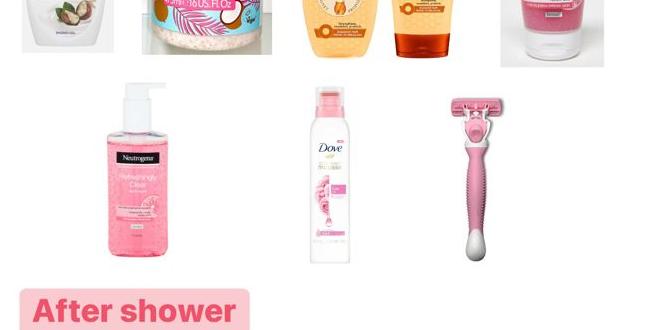
Weekly How to Build a Skin Care Routine After Shower
Creating a skin care routine after your shower can transform your skin. Start with a gentle cleanser to remove dirt. Next, use a toner to balance your skin. Don’t forget a hydrating serum; it’s like a drink of water for your face! Finally, apply a good moisturizer to keep your skin soft. Did you know that regular routines can help prevent skin issues? Take a few moments for this daily treat—it makes a big difference!Understanding Your Skin Type
Importance of identifying skin type (oily, dry, combination, sensitive). How skin type influences product selection.Knowing your skin type is important. It helps you choose the right products. Everyone’s skin is different. There are four main types: oily, dry, combination, and sensitive. Each type needs special care. For example:
- Oily skin may need lightweight products that reduce shine.
- Dry skin benefits from rich moisturizers to add hydration.
- Combination skin needs a mix of both.
- Sensitive skin requires gentle ingredients to avoid irritation.
When you know your type, you can build a better skin care routine!
Why is identifying skin type important?
Identifying your skin type is essential for effective skin care. It ensures that the products you choose will help, not harm your skin.
Choosing the Right Products
Ingredients to look for based on skin type. Recommended products for various skin needs (e.g., hydration, acne, antiaging).Finding the right skin care products is as important as picking the right ice cream flavor! Start with your skin type. Is your skin dry, oily, or sensitive? Look for hydrating ingredients like hyaluronic acid for dry skin, salicylic acid for fighting acne, and retinol for aging skin. Having the right mix is key!
| Skin Type | Key Ingredients | Recommended Products |
|---|---|---|
| Dry | Hyaluronic Acid, Glycerin | Moisturizing Cream |
| Oily | Salicylic Acid, Tea Tree Oil | Oil-Free Gel |
| Sensitive | Aloe Vera, Chamomile | Gentle Lotion |
| Anti-Aging | Retinol, Peptides | Serum |
Getting the right product can make your skin feel smoother than a dolphin! Don’t forget to patch-test new items. Your skin will thank you later!
Weekly Treatments: Adding to Your Routine
Explanation of exfoliation and its frequency. Types of masks and serums to include in your weekly regimen.Exfoliation is a key part of taking care of your skin. It helps remove dead skin cells and makes your skin feel smooth. You should exfoliate your skin once or twice a week. This keeps your skin fresh without stripping it of natural oils.
Adding masks and serums can really boost your routine. Here are some to consider:
- Clay masks: Good for oily skin.
- Hydrating masks: Great for dry skin.
- Brightening serums: They help improve skin tone.
- Anti-aging serums: Help reduce fine lines.
Using these treatments weekly can make your skin look great!
How often should I exfoliate?
You should exfoliate once or twice a week.
What types of masks should I use?
Choose clay masks for oily skin and hydrating masks for dry skin.
Common Mistakes to Avoid
Overloading products and potential adverse effects. Skipping steps in the routine and longterm implications.Many people mistakenly overload their skin with products. Too many creams and lotions can confuse your skin. It might react with rashes, redness, or even breakouts—yikes! Less is more! Also, skipping steps in your routine can hurt you in the long run. Imagine brushing your teeth but forgetting mouthwash. Not fun, right? Consistency is key. Missing steps might mean missing out on amazing skin! Keep it simple and follow through for the best glow.
Adapting Your Routine for Seasonal Changes
How weather affects skin and adjustments needed. Tips for adapting products and methods seasonally.As the weather changes, so does your skin’s mood—like a drama queen! Hot sun can dry it out, while cold air makes it cranky. Make sure to keep your skin happy by swapping out your products. In summer, opt for light lotions and gel-based moisturizers. In winter, go for thicker creams to lock in moisture. Here’s a quick guide:
| Season | Best Products |
|---|---|
| Spring | Lightweight moisturizer, SPF |
| Summer | Gel moisturizers, Acne treatments |
| Fall | Hydrating serums, Toners |
| Winter | Thick creams, Ointments |
Adapting to the seasons is like changing your clothes. Keep your skin glowing and cheerful, no matter the weather! Remember, what works one time may need to be adjusted later. Stay fabulous!
Maintaining Consistency for Optimal Results
Strategies to stick to your routine. Benefits of keeping a skin care journal to track progress.Sticking to your skin care routine is key for great results. Here are some fun ways to help you stay on track:
- Set a reminder on your phone.
- Keep your products visible in the bathroom.
- Involve a friend for extra motivation.
Another great idea is keeping a skin care journal. This helps you see your progress over time. You can write down what products you use and how your skin feels. It’s an exciting journey to see your skin improve!
Why is a skincare journal helpful?
A skincare journal helps track changes in your skin and allows you to see what works best.
Seeking Professional Guidance
When to consult a dermatologist. Importance of personalized skin care advice.It’s wise to seek help from a dermatologist, especially when your skin decides to throw a tantrum. If you notice persistent acne, rashes, or unusual spots, it’s time to get expert advice. A dermatologist can give personalized care and guidance just for you. They’ll create a routine that works with your unique skin type. Think of it like getting a special recipe for your skin, instead of using a generic microwave meal!
| When to Seek Help | Why it Matters |
|---|---|
| Persistent skin issues | Expert insight leads to better skin health |
| New or changing spots | Early detection is the key to prevention |
| Confusion about products | A specialist can tailor advice just for you |
Don’t be shy! Consulting a pro can save you time and help your skin glow like never before. Think of them as the skin superheroes, ready to rescue your complexion!
Conclusion
In conclusion, building a skin care routine after your shower can be simple and rewarding. Start with cleansing, then apply toner, serum, and moisturizer. Lastly, don’t forget sunscreen during the day! You can experiment to find what works best for your skin type. For more tips and product suggestions, keep reading and take charge of your skin care journey!FAQs
What Are The Essential Steps To Follow When Creating A Skincare Routine After Showering?After you shower, start by gently drying your skin with a towel. Next, put on a moisturizer to keep your skin soft. If you have dry areas, use more cream there. Then, don’t forget sunscreen if you will be outside. Lastly, make sure to drink water to help your skin stay healthy!
How Should I Adjust My Skincare Routine Based On My Skin Type (Oily, Dry, Combination, Or Sensitive) After A Shower?After a shower, your skincare routine should match your skin type. If you have oily skin, use a light moisturizer. For dry skin, choose a thicker cream to help keep moisture in. If your skin is a mix, use a gentle lotion on dry spots and a lighter one on oily areas. For sensitive skin, pick a fragrance-free product to avoid irritation. Always remember to be gentle when applying!
What Products Should I Prioritize Applying After A Shower To Maximize Hydration And Skin Health?After you shower, start with a good moisturizer. It helps keep your skin soft and hydrated. You can also use a body oil for extra moisture. Don’t forget to apply this on your hands and feet too! Remember, drinking water is important for keeping your skin healthy inside and out.
How Can I Incorporate Serums And Treatments Effectively Into My Post-Shower Skincare Routine?After you shower, gently dry your face with a towel. Then, take a small amount of serum or treatment. Spread it on your skin using your fingers. Make sure to cover your face evenly. Finish with a moisturizer to lock in the good stuff!
Are There Any Specific Tips For Preventing Moisture Loss After Showering That I Should Consider When Building My Skincare Routine?To stop your skin from losing moisture after a shower, use a gentle soap. Then, pat your skin dry with a towel instead of rubbing it. Right after, put on moisturizer while your skin is still a little damp. This helps keep the water in. Also, try to shower with warm water instead of hot, as hot water can dry out your skin!