Many people struggle with skin conditions that start with the letter X. Did you know that one rare condition is called xeroderma pigmentosum? It’s a mouthful! But don’t worry; it means having very sensitive skin to sunlight.
Imagine going outside, and your skin burns quickly, even on a cloudy day. That’s what many with this condition face every day. They need to be extra careful to protect their skin.
In this article, we’ll explore different skin conditions that begin with X. We’ll learn what they are, how they affect people, and what can be done about them. Let’s dive in and uncover the mysteries of these unique skin issues!
Skin Conditions Beginning with X

Skin conditions that start with the letter “X” are rare but interesting. One such condition is xerosis, which causes dry skin. Imagine feeling an itchy, tight skin all the time! Another is xanthoma, where yellowish bumps appear on the skin. These skin issues can signal other health problems. Knowing about these conditions can help in early detection and better care. Curious about how skin tells stories about our health? Let’s explore!
Xerosis (Dry Skin)

Definition and causes of xerosis. Symptoms and risk factors associated with dry skin.
Xerosis, or dry skin, happens when your skin loses moisture. This can occur for many reasons, like cold weather, low humidity, or hot showers. People often experience tightness or flakiness. It’s like wearing a sweater made of sandpaper! Symptoms include itching and cracking skin, which can hurt like a paper cut. Risk factors include age, certain jobs, and skin conditions. It’s crucial to hydrate and moisturize often!
| Symptoms | Risk Factors |
|---|---|
| Itching | Age |
| Cracking | Environment |
| Flakiness | Health Conditions |
Xanthoma
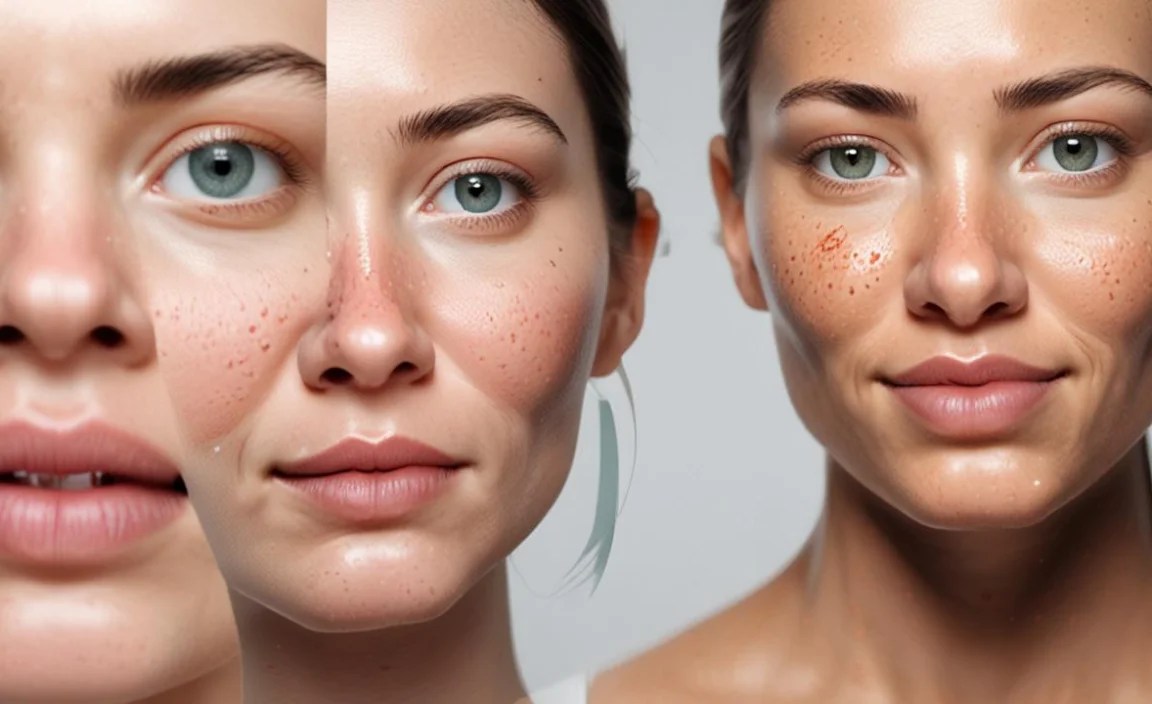
Types of xanthomas and their characteristics. Underlying conditions linked to xanthomas.
Xanthomas are growths on the skin. They can be yellowish, raised bumps. Here are some types and their traits:
- Planar Xanthoma: Flat and yellowish-brown spots.
- Tuberous Xanthoma: Round, firm lumps, often on elbows and knees.
- Palmar Xanthoma: Yellow patches on the palms.
These skin issues may link to underlying problems such as high cholesterol or diabetes. It’s important to visit a doctor for proper checks and treatments.
What causes xanthomas?
Xanthomas can be caused by high cholesterol, liver disease, or certain blood disorders.
Xanthhelasma
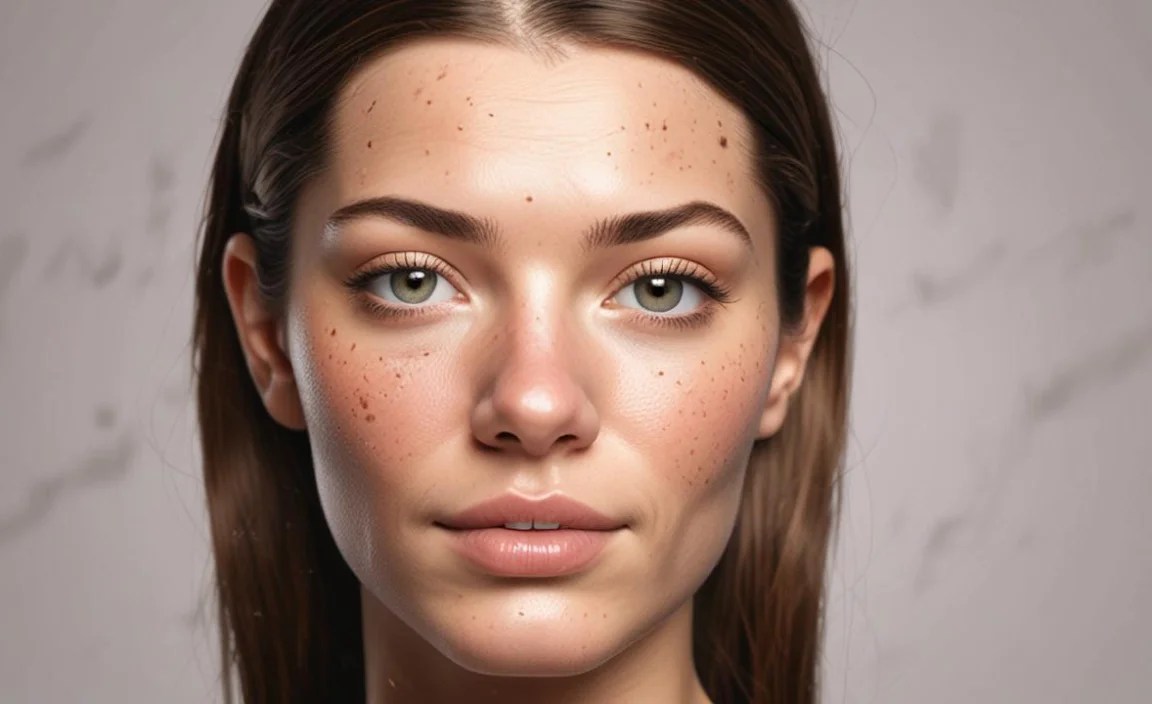
Description of xanthhelasma and its appearance. Common causes and treatment options.
Xanthelasma appears as yellowish bumps on the skin, often around the eyes. They are mostly harmless but can be an indicator of high cholesterol. The common causes include age, genetics, and lifestyle choices like diet.
Treatment options vary from simple watch-and-wait to minor procedures that remove the bumps. Remember, a doctor’s visit is a good idea if you’re unsure about skin changes. After all, no one wants a surprise bump party on their face!
| Causes | Treatment Options |
|---|---|
| High cholesterol | Laser therapy |
| Genetics | Freezing |
| Age | Surgery |
Xerodermatitis
Explanation of xerodermatitis and its relation to skin conditions. Recommended treatments and preventive measures.
Xerodermatitis sounds fancy, but it’s simply dry and rough skin! This condition can make your skin feel like a desert. It often shows up when skin is not getting enough moisture. The good news is that there are ways to keep your skin happy. You can use creams to add moisture back in and protect from the harsh weather. Drinking water helps too! Remember, laughter is the best medicine, but for skin care, make it a nice moisturizer!
| Recommended Treatments | Preventive Measures |
|---|---|
| Moisturizers | Stay Hydrated |
| Prescription Creams | Avoid Hot Showers |
| Humidifiers | Protect from Sun |
Xenobiotic Dermatitis
Definition and causes of xenobiotic dermatitis. Common allergens and irritants that trigger this condition.
Xenobiotic dermatitis is a skin condition that happens when your skin reacts to foreign substances, like certain chemicals. Imagine your skin throwing a big fit because it doesn’t like what’s in your lotion or detergent! Common triggers include fragrances, dyes, and certain metals. These annoyances can cause redness, itching, and bumps. Think of it as your skin’s way of saying, “Hey, that’s not cool!” Here’s a table of common culprits:
| Allergens | Irritants |
|---|---|
| Nickel | Detergents |
| Fragrance | Soap |
| Latex | Cleaning products |
So next time you scratch that itchy spot, check if your products have any of these sneaky ingredients!
Conclusion
In summary, skin conditions starting with “X” are rare but can affect your skin. Xerosis causes dry skin, while Xanthomas appear as yellow bumps. If you notice unusual changes, don’t hesitate to see a doctor. Learning more about these conditions helps you understand your skin better. So, keep exploring and take care of your skin every day!
FAQs
What Are Some Common Skin Conditions That Begin With The Letter “X” And How Are They Diagnosed?
Some common skin conditions that start with “X” are xerosis and Xanthomas. Xerosis is very dry skin. It can be diagnosed by a doctor looking at your skin and asking questions. Xanthomas are yellowish bumps on the skin. Doctors also look at these bumps to know what they are.
How Does Xerosis (Dry Skin) Affect Overall Skin Health, And What Treatment Options Are Available?
Dry skin, or xerosis, can make your skin itchy and cracked. This can lead to infections because germs can get in through the cracks. To treat dry skin, you can use thick lotions or creams. Drinking plenty of water and using a humidifier can also help. If it doesn’t get better, see a doctor for advice.
Can You Explain The Differences In Presentation And Treatment Between Xanthomas And Xanthelasma?
Xanthomas and xanthelasma are both skin bumps, but they look different. Xanthomas can appear anywhere on your body and may be raised yellow or brown spots. Xanthelasma are flat, yellow patches that usually show up on your eyelids. To treat xanthomas, a doctor may suggest creams or removing them. For xanthelasma, doctors might use surgery or special treatments to help.
What Are The Potential Causes And Symptoms Of Conditions Like Xenoderma That Start With The Letter “X”?
Xenoderma is a skin problem that can happen for different reasons. Sometimes, it’s caused by genes you get from your parents. Other times, it can be due to things like sunburn or being sick. Symptoms include dry, rough skin and sometimes it can get red or itchy. If you notice these signs, it’s good to talk to a doctor.
How Can Lifestyle Changes Impact The Management Of Skin Conditions Such As Xeroderma Pigmentosum?
Lifestyle changes can really help if you have xeroderma pigmentosum, which is a skin condition that makes you very sensitive to sunlight. You can wear special clothing to cover your skin and use sunscreen to protect yourself. Staying indoors during sunny times can also keep your skin safe. Eating healthy foods and drinking lots of water can help your skin feel better, too. By making these changes, you can manage your condition more easily and enjoy outdoor activities safely.
